Logistics stories often sound dry until you remember what is moving through the system.
In healthcare, the system is carrying medicines, devices and temperature-sensitive products that can directly affect whether treatment arrives safely or not at all.
That is why Hellmann Calipar Healthcare Logistics opening a new distribution facility in Dubai South deserves attention beyond the supply chain crowd.
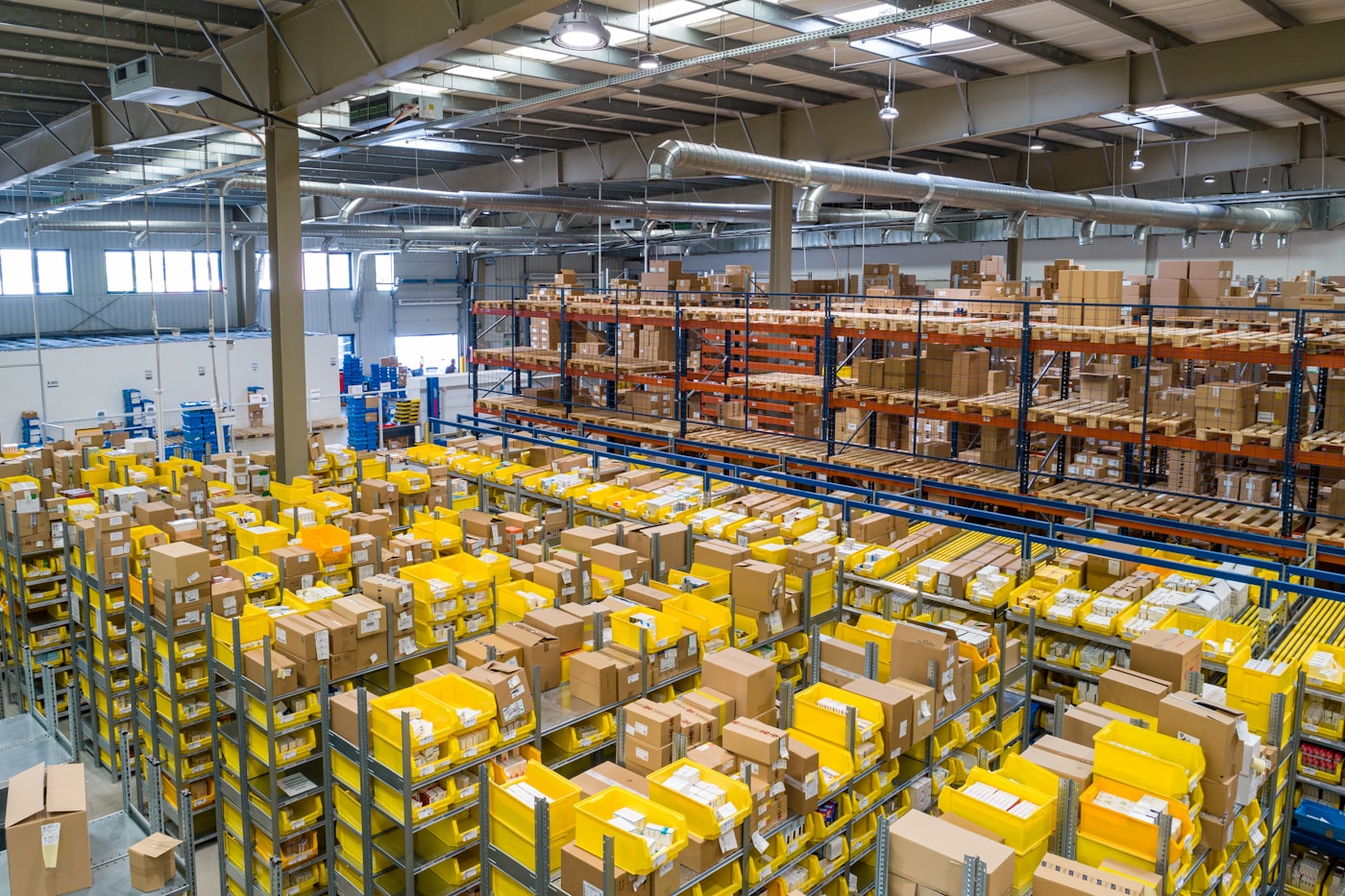
Dubai South says the facility expands Hellmann’s network to five UAE distribution centres and is designed to handle key market requirements including temperature-sensitive healthcare products, hazardous goods, digital transparency and efficient last-mile distribution. In other words, this is not generic warehousing. It is specialised infrastructure for one of the more demanding categories in logistics.
That matters because healthcare supply chains are becoming harder, not easier.
Regulations are tightening. Product integrity requirements are rising. Hospitals and suppliers expect better traceability. Patients increasingly depend on systems that can move sensitive goods across borders without spoilage, delay or paperwork confusion. The recent years have taught the entire world that medical logistics is not a background service. It is strategic capacity.
Dubai wants more of that capacity within its ecosystem.
The new facility adds warehouse space and customer-specific services, but the more useful signal is the type of service being emphasised. Compliant handling. Temperature control. Hazardous goods chambers. GDP-aligned quality systems. Enhanced security. These are the details that separate a serious healthcare logistics platform from a standard freight story dressed up in medical language.
Dubai South’s own pitch fits that logic.
The zone highlights uninterrupted access to Jebel Ali Port through a bonded logistics corridor, direct access to cargo terminals at Al Maktoum International Airport and a broader multimodal network. For healthcare products, that kind of connectivity matters because speed is only valuable when compliance travels with it.
That is the real business opportunity here.
If Dubai can combine geography, infrastructure and regulatory discipline, it can become more attractive as a regional base for pharmaceutical and medical device logistics. That brings higher-value activity than ordinary storage alone. It also creates work in quality, compliance, specialised handling and supply chain planning.
For residents, the impact may feel distant at first.
But resilient healthcare logistics affects daily life more than people realise. It influences how quickly hospitals receive supplies, how safely medicines move and how dependable treatment systems become when pressure rises. A strong cold-chain and regulated distribution network can reduce risk long before a patient ever sees the final product.
There is also an economic development angle.
Dubai has spent years building itself as a trade and logistics giant. The next stage is more specialised. Anyone can say they move goods efficiently. The higher-value question is whether you can handle difficult goods better than competitors. Healthcare products are exactly that kind of test.
Indian companies in pharma, distribution and medical technology will notice the relevance too.
The UAE is a natural bridge between South Asia, the Gulf, Africa and Europe. Better specialised healthcare logistics in Dubai can make the city more useful to Indian exporters, regional distributors and manufacturers looking for reliable intermediate hubs.
Still, this is not a victory lap moment.
Specialised facilities only matter if they are used intensively and managed well. The challenge is operational consistency. Compliance must remain real when volumes rise. Staff training has to keep pace. Digital visibility needs to work in practice. One weak link in healthcare logistics can damage trust very quickly.
That is why the new Hellmann facility is best read as a capacity signal, not a final proof point.
It says demand is strong enough to justify more infrastructure and that operators believe Dubai South is worth deeper investment. That is already significant. But the bigger story will come from whether more healthcare players cluster around the zone and whether Dubai develops a reputation for handling sensitive products with the same confidence it handles retail, consumer goods and general trade.
If that happens, the emirate gains something valuable.
Not just another warehouse, but a stronger claim to being a logistics hub for sectors where precision matters as much as scale. In modern healthcare supply chains, that is a serious advantage.
It also gives Dubai South a more defensible story in a crowded logistics market. Many zones can promise location. Fewer can credibly promise specialised handling for products where mistakes are expensive and trust is hard to rebuild once lost.
That is the standard the new facility will now have to live up to. If it performs well, it strengthens the case for Dubai as a healthcare logistics bridge between Asia, the Gulf and Africa. If it struggles, the market will quickly expose the gap between infrastructure claims and operational reality.
That is precisely why specialised logistics capacity is becoming a strategic test, not just a warehouse metric.


