Markets move on confidence first and numbers second.
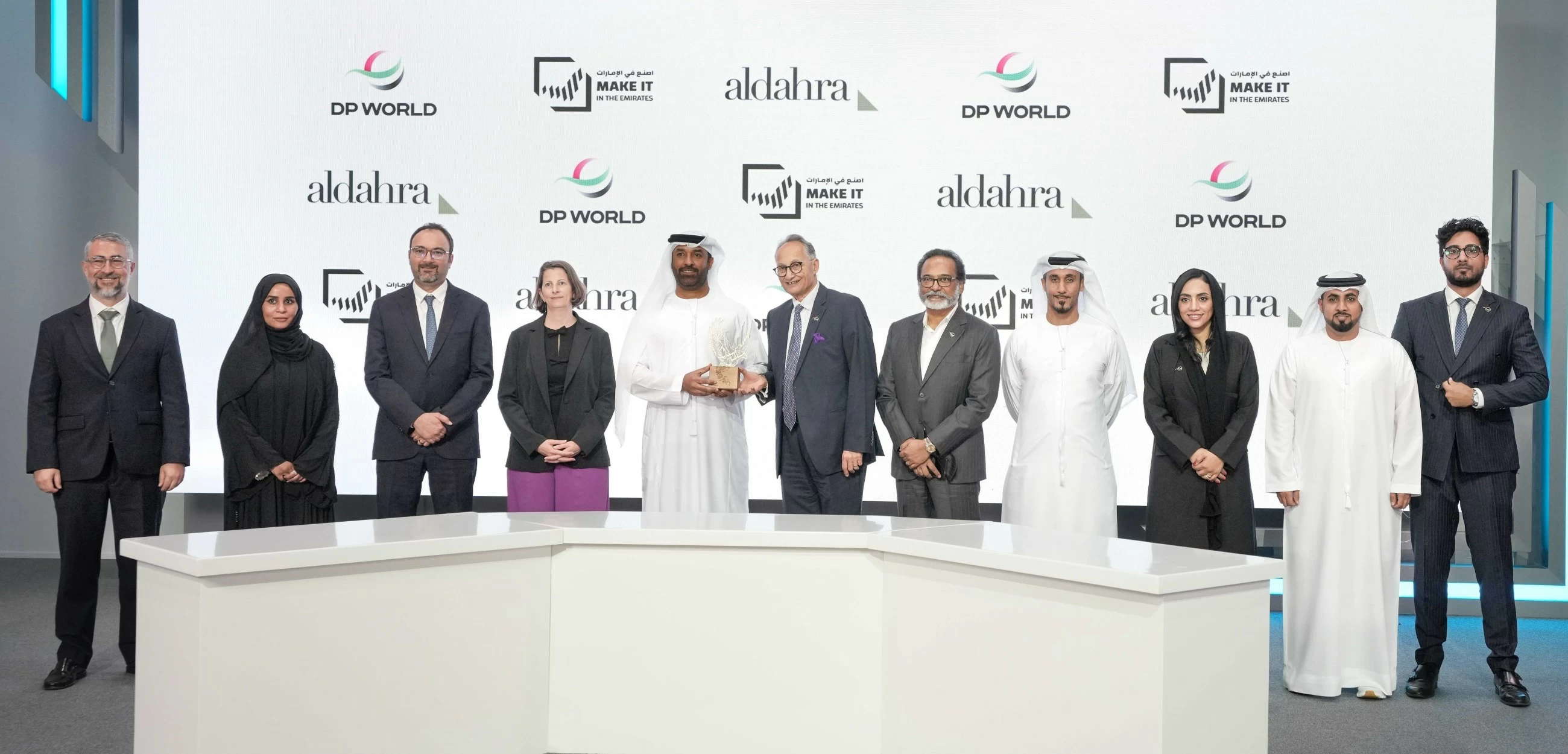
The latest development is this: DP World, Al Dahra sign pact to fortify global food security.
That headline may look straightforward, but the wider meaning depends on who feels the effect first. A policy change, a market shift, a travel update or an international move rarely remains abstract for long. It reaches commuters, families, founders, workers, investors and small businesses through small practical changes.
DP World and Al Dahra Holding, a multinational agribusiness headquartered in Abu Dhabi, have signed a Memorandum of Understanding to explore opportunities aimed at…
The first signal is timing.
News moves fastest when there is pressure behind it. That pressure may come from markets, diplomacy, public services, safety, travel demand or consumer behaviour. In this case, the report points to a story that deserves to be read beyond the headline.
For Dubai and the UAE audience, the question is not only what happened. The sharper question is what changes next.
If the story is commercial, people will watch costs, confidence and investment appetite. If it is public-service related, residents will judge the effect through speed, access and convenience. If it is international, the local relevance may appear through trade, travel, energy, security or market mood.
That is how a single item enters daily life.
The most useful way to read this story is through consequences.
Does it change how institutions plan? Does it change how families spend? Does it affect business confidence? Does it make travel easier or harder? Does it push public agencies to act faster? Does it change the way companies talk to customers?
Those questions matter because good news coverage should not stop at the event.
For a resident, the real value lies in knowing whether the issue may affect a commute, a job, a bill, a trip, an investment or a public service. For a business owner, the value lies in knowing whether the operating environment is becoming easier, more expensive or more uncertain.
This is why context matters.
Dubai and the wider UAE usually read news through execution.
Announcements are common. What matters is whether they move into systems, services, contracts, hiring, infrastructure or public behaviour. A city can announce ambition quickly. It earns trust by making that ambition work on the ground.
That is the frame worth applying here.
If the story touches growth, the next test is delivery. If it touches safety, the next test is enforcement. If it touches trade or travel, the next test is reliability. If it touches technology, the next test is whether people actually use it without confusion.
The UAE’s advantage has often been speed. Its challenge is making speed feel stable.
Behind every headline there is a person making a small decision.
A parent checks whether a public service is easier. A worker decides whether a commute is worth it. A trader waits to see if goods arrive on time. A student wonders whether a new opportunity is real. A founder asks if the market is still confident enough to hire.
That is why even a high-level story needs a human reading.
People do not experience news as policy language. They experience it as time saved, money spent, risk avoided, a call returned, a queue shortened or a plan delayed.
The next stage will decide whether this remains a passing headline or becomes part of a larger pattern.
Readers should watch for follow-up action, official clarification, business response and any visible change in public behaviour. The first report tells us what happened. The next response tells us whether it matters.
For now, the story deserves attention because it sits inside a larger UAE pattern: fast decisions, high expectations and a public that increasingly judges announcements by practical results.


